
RK3576 vs RK3588: Best Performance-to-Price Ratio Industrial Motherboard
Apr 25,2026
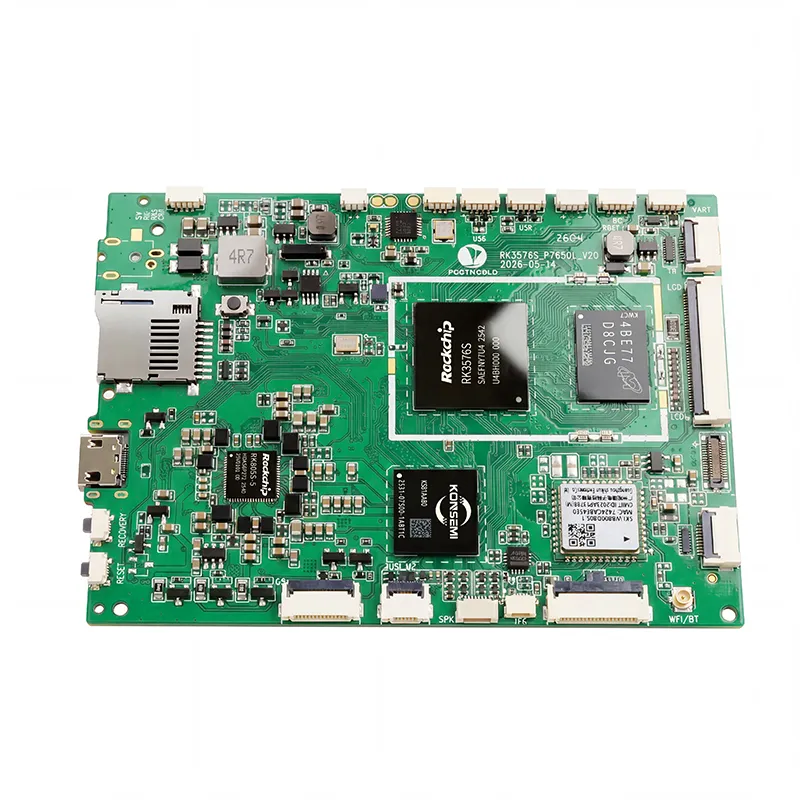
The Next-Gen RK3576S Smart Motherboard
Powerful, AI-Driven, High-Performance.Shop Now>


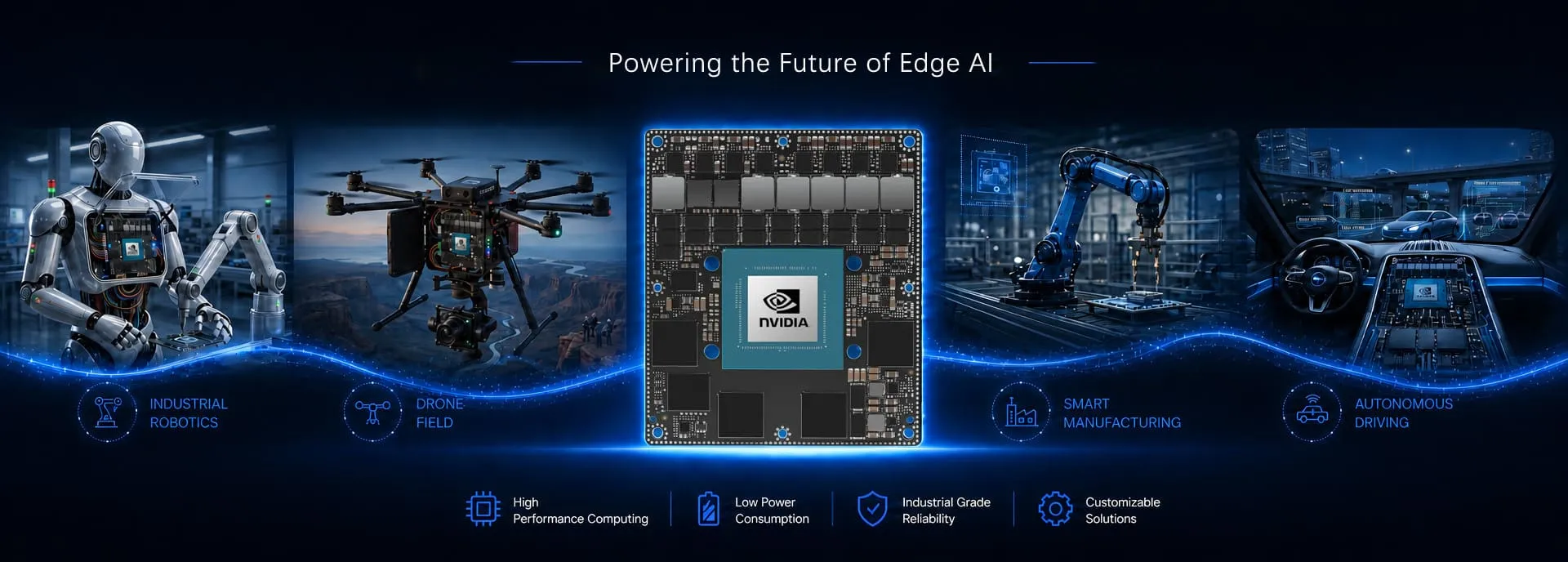


As we move into 2026, the rapid advancements in industrial automation, edge computing, and smart manufacturing are making industrial mini PCs an essential computing solution for various sectors. These compact industrial computers are instrumental in enhancing factory automation, serving as IoT gateways, facilitating digital signage, powering AI edge applications, and supporting intelligent equipment, thereby enabling companies to create more intelligent and interconnected systems.
In contrast to conventional desktop computers, industrial mini PCs are engineered to withstand more rigorous environments. They generally incorporate fanless designs, robust enclosures, a variety of industrial interfaces, capabilities for long-term operation, and options for flexible customization.
Nevertheless, when acquiring industrial mini PCs in bulk, choosing the appropriate supplier involves more than just price comparisons. Factors such as hardware reliability, customization options, supply chain stability, and the availability of technical support significantly influence the success of your project.
Whether you are an equipment manufacturer, a system integrator, or a distributor, these seven sourcing recommendations for purchasing wholesale industrial mini PCs can assist you in making a more informed buying decision in 2026.
1. Establish Your Application Requirements Prior to Sourcing
The initial step in sourcing industrial mini PCs involves comprehending your specific application requirements.
Various industries have distinct expectations regarding computing performance, interfaces, and environmental protection.
For instance:
Factory automation systems might necessitate RS232/RS485, GPIO, and PLC communication.
Edge AI applications could demand higher-performance processors along with GPU acceleration.
Digital signage initiatives may require multiple display outputs and consistent multimedia performance.
Transportation systems might need a compact design and resistance to vibrations.
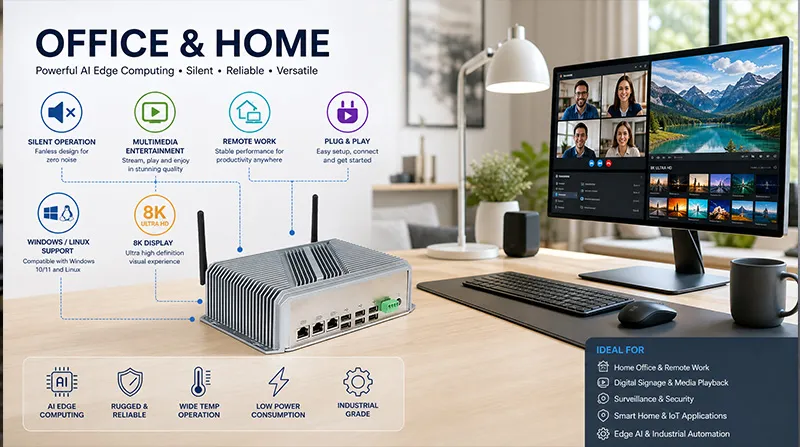
Before reaching out to suppliers, take into account the following specifications:
Processor platform
Operating system requirements
Memory and storage capacity
Number and type of I/O interfaces
Display output requirements
Operating temperature range
Installation method
Power supply requirements
A well-defined product specification aids in preventing the selection of a device that fails to fulfill your project requirements2. Select a Manufacturer with Genuine Industrial Expertise
Not all mini PC suppliers are capable of delivering authentic industrial-grade solutions.
While numerous companies provide compact computers, industrial applications necessitate a more profound comprehension of reliability, thermal management, and sustained operation.
A qualified industrial mini PC manufacturer should possess experience in:
Industrial automation
Smart factories
Embedded systems
IoT applications
Machine control
Commercial terminals
Industrial settings frequently encounter:
Dust
Vibration
Temperature fluctuations
Continuous operation
Consequently, manufacturers must have the expertise to design products that maintain stability in demanding conditions.
3. Emphasize Fanless Design and Thermal Management
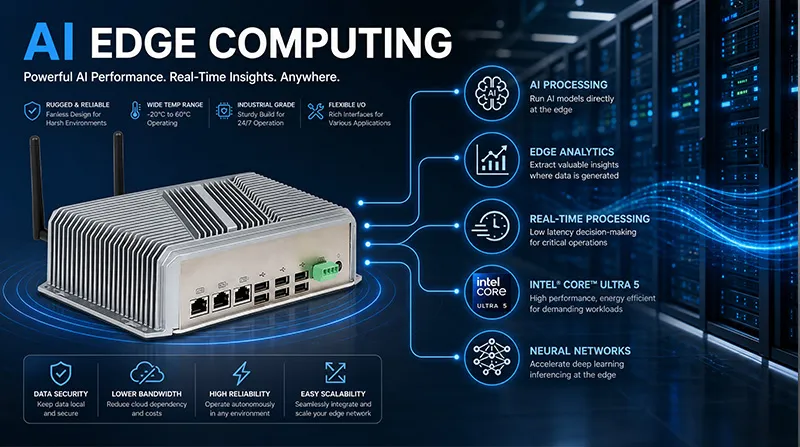
A critical consideration when choosing industrial mini PCs is effective heat management.
In contrast to consumer-grade computers, industrial systems are typically designed to operate continuously, 24 hours a day, 7 days a week. Conventional cooling fans can lead to reliability challenges due to:
Dust buildup
Mechanical breakdowns
Noise generation
Increased maintenance demands
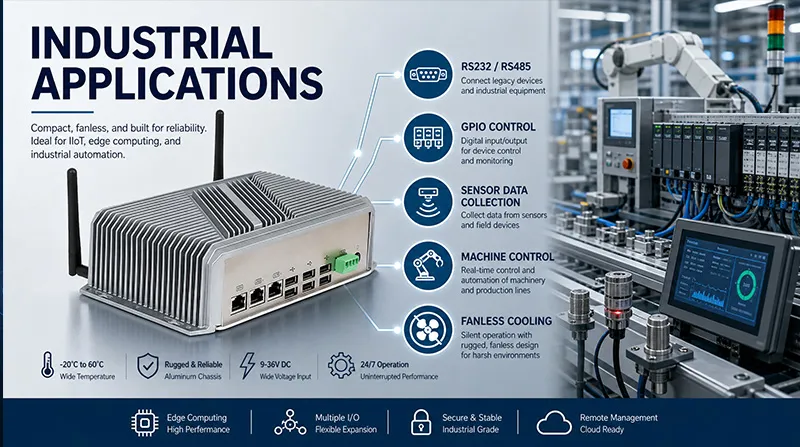
Fanless industrial mini PCs utilize passive cooling mechanisms, often paired with aluminum alloy casings, to enhance stability.
The advantages of a fanless design encompass:
Quiet operation
Reduced maintenance needs
Improved dust resistance
Extended lifespan
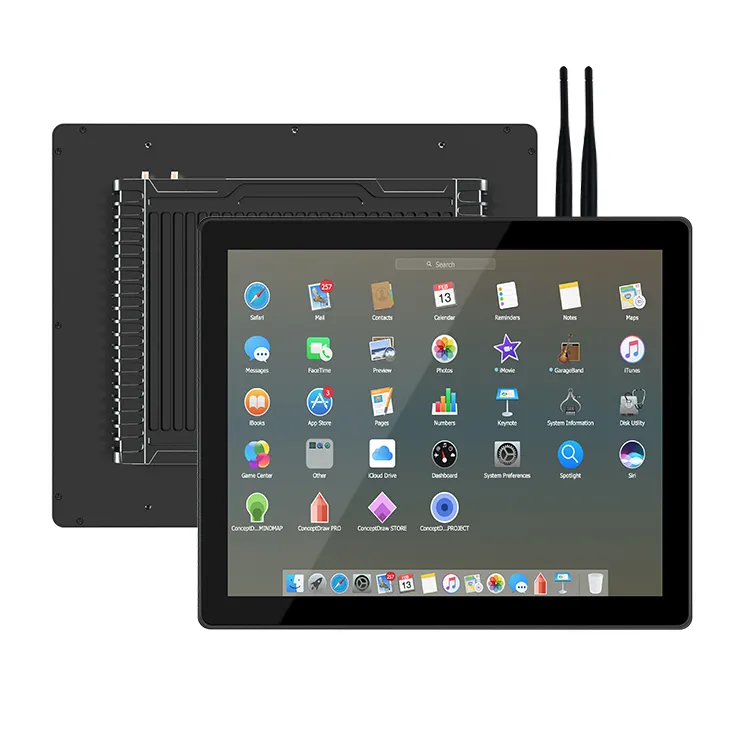
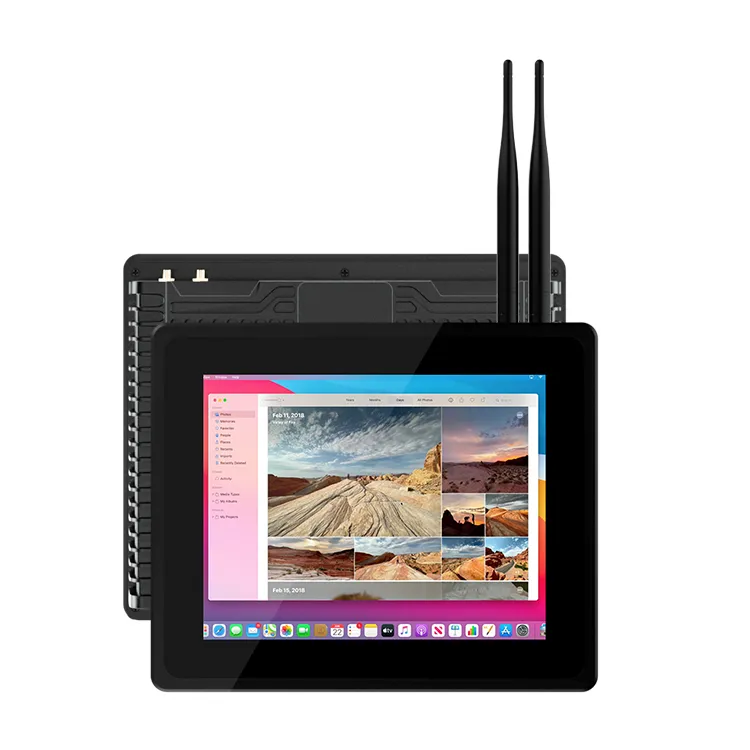
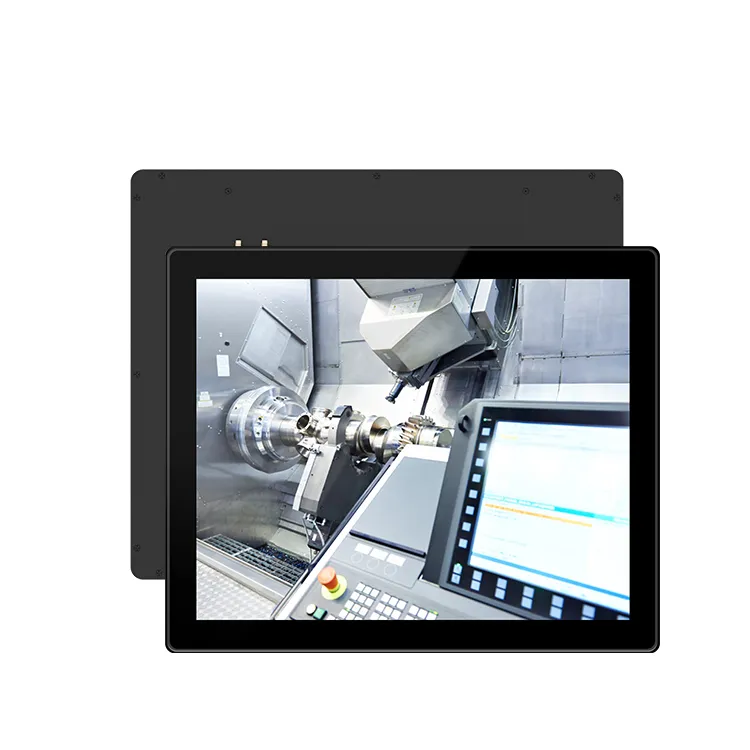
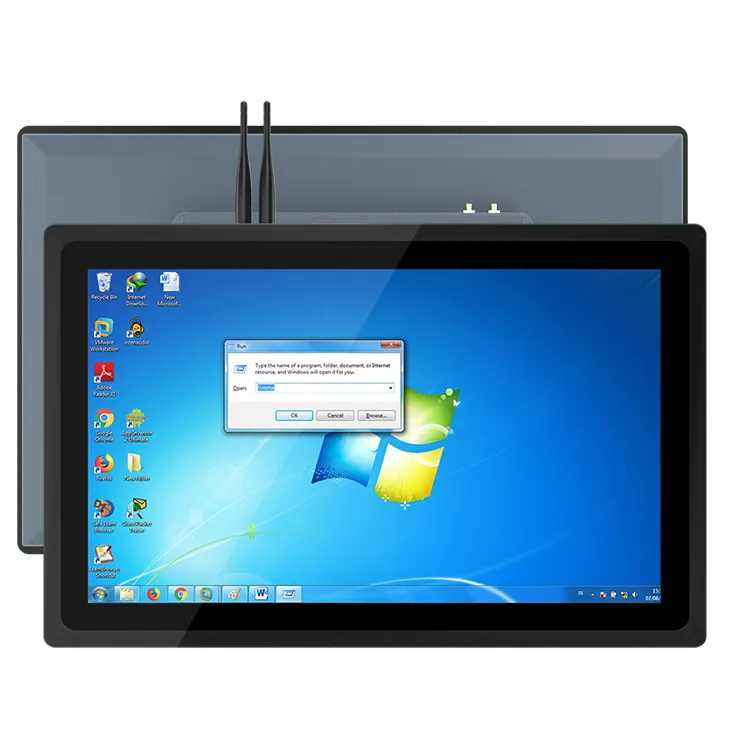
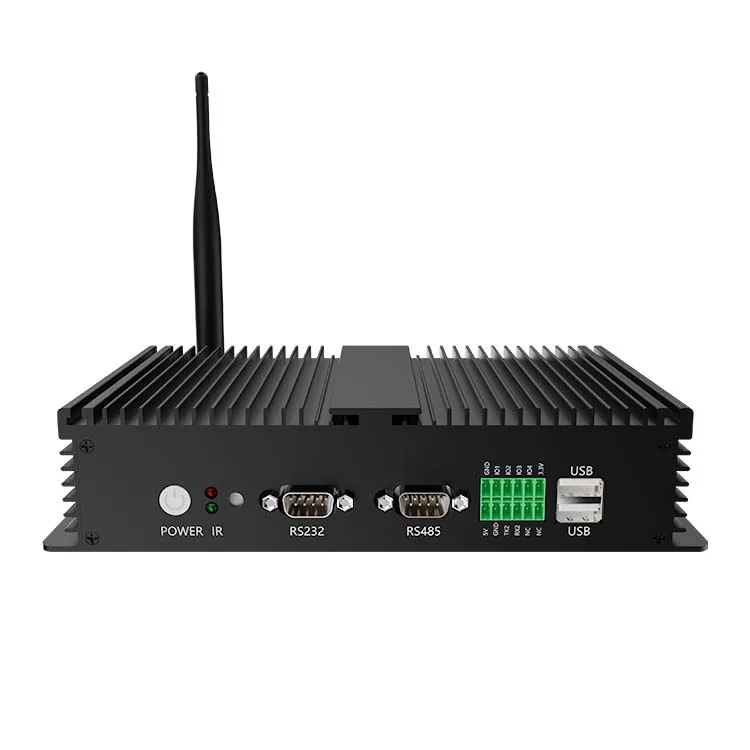
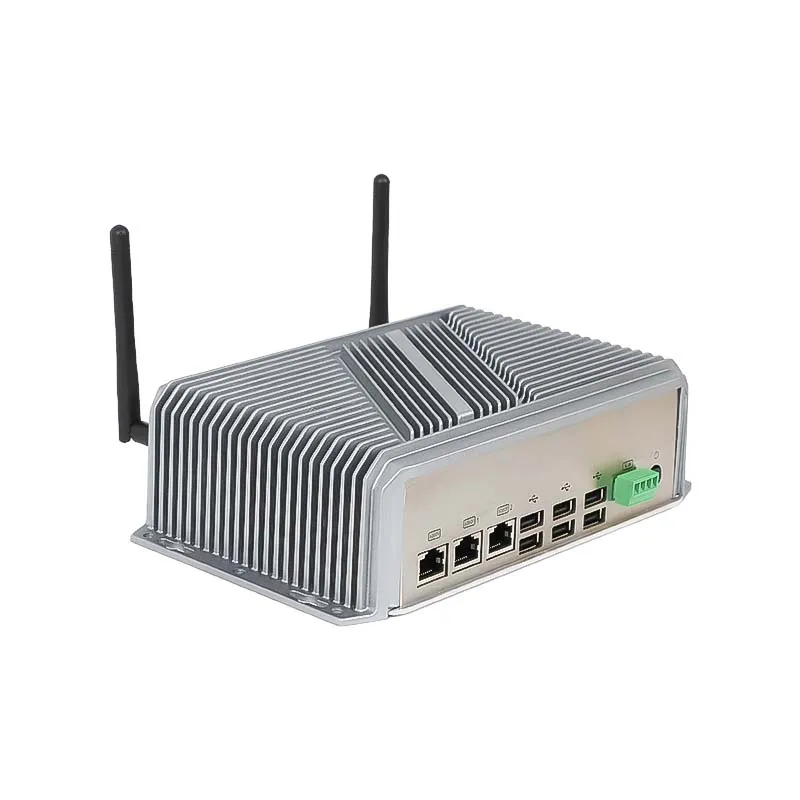
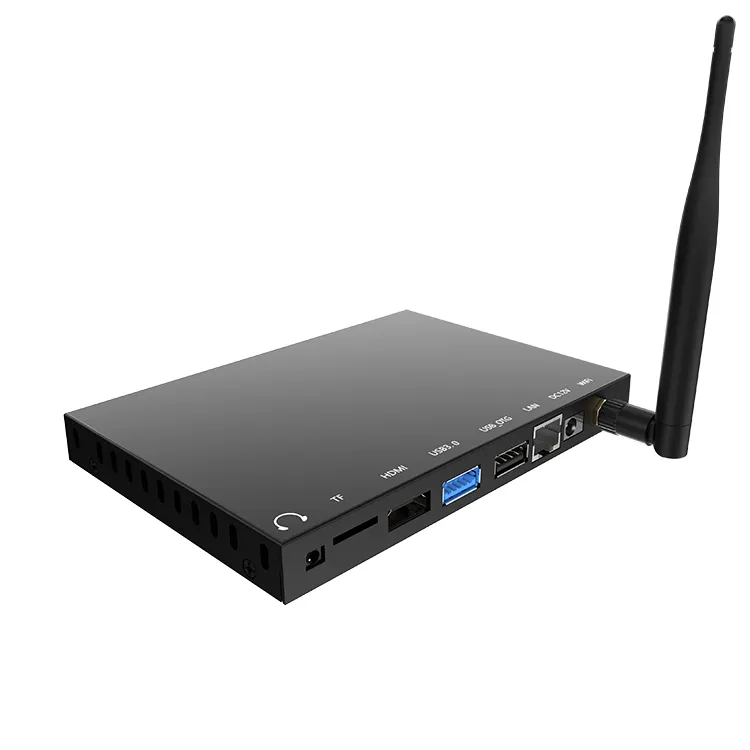
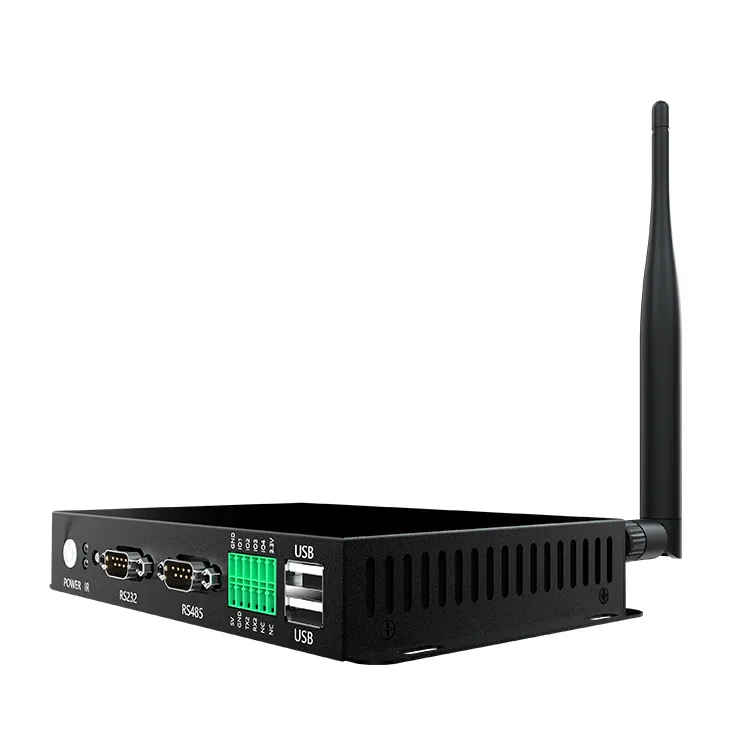
For instance, industrial mini PCs like Portworld’s YC-T621 and YC-I720 feature fanless metal designs tailored for reliable performance in industrial settings.
4. Assess the Capability for Interface Expansion
Industrial projects frequently necessitate connections beyond standard computer interfaces.
A dependable industrial mini PC should offer versatile expansion options, which include:
RS232
RS485
GPIO
LAN
USB
HDMI
CAN interface
Wireless communication modules
These interfaces enable the mini PC to establish connections with:
Sensors
Controllers
Industrial equipment
Cameras
Displays
Other IoT devices
When procuring wholesale industrial mini PCs, it is essential to verify whether the supplier can tailor interfaces to meet your project specifications.
A device equipped with adaptable expansion capabilities can facilitate future upgrades and minimize redesign expenses.
5. Assess Processor Choices and Long-Term Efficiency
Industrial applications prioritize consistent performance over merely achieving high benchmark results.
The appropriate processor is contingent upon the specific workload.
For lightweight control systems, energy-efficient processors can deliver adequate performance while minimizing energy usage.
In contrast, advanced applications such as:
- Edge computing
- AI analytics
- Machine vision
- Multi-display systems
may necessitate higher-performance platforms.
Contemporary industrial mini PCs can accommodate platforms such as:
ARM-based processors
Intel processors
AI computing platforms
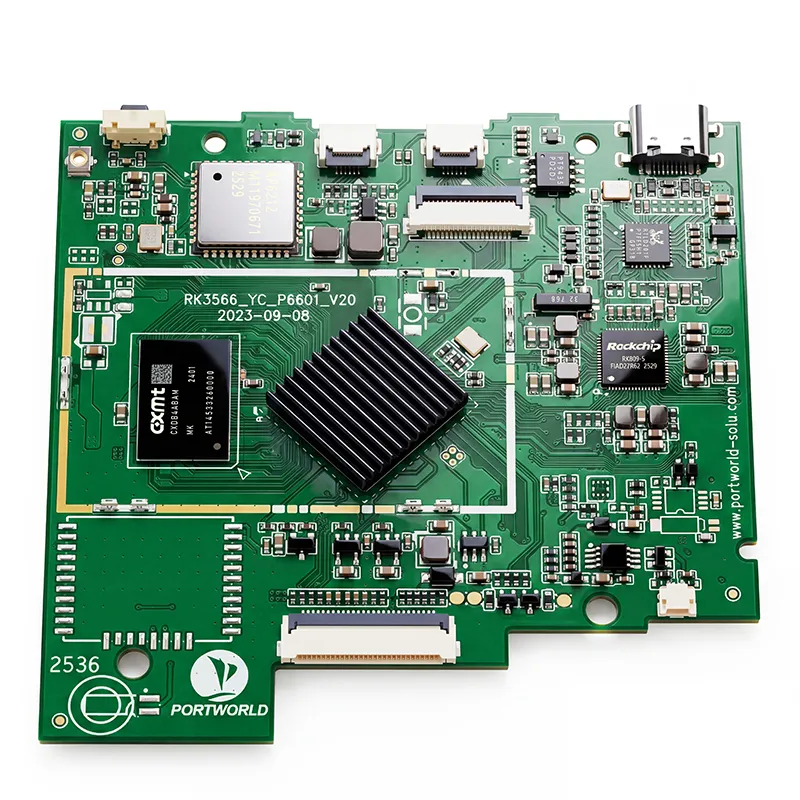
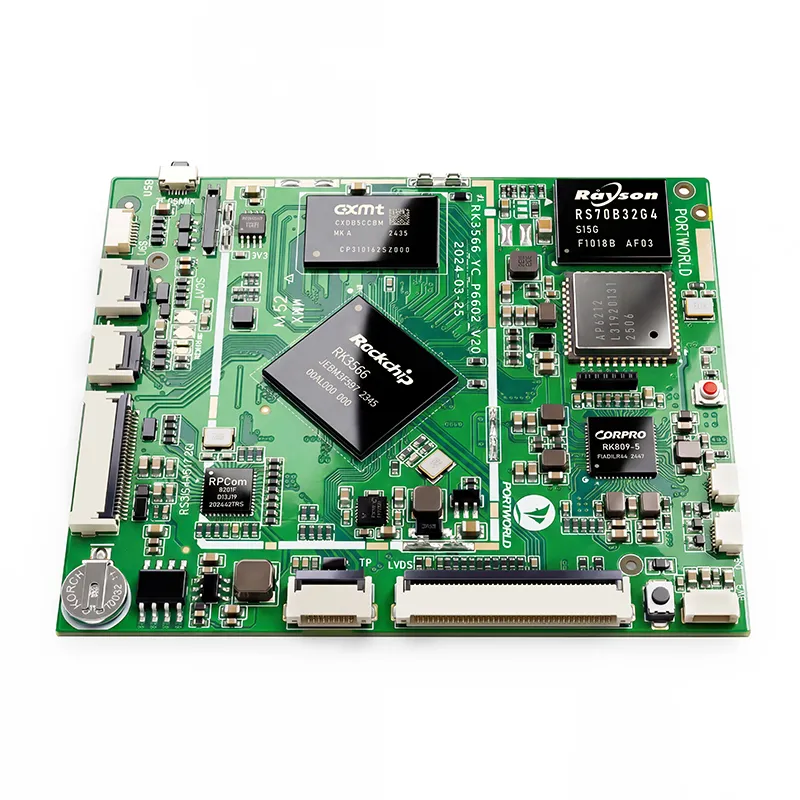
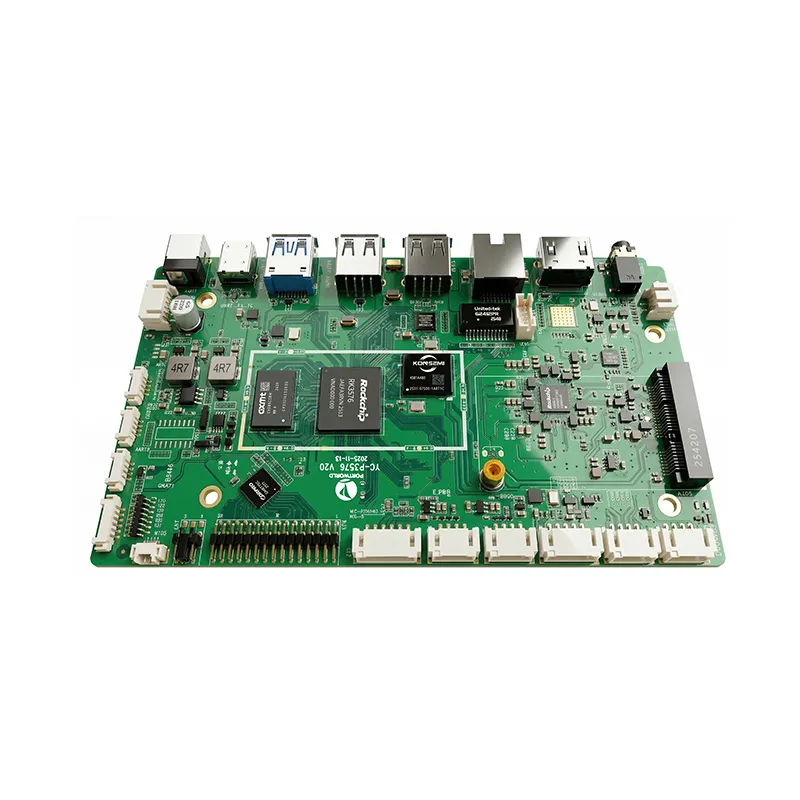
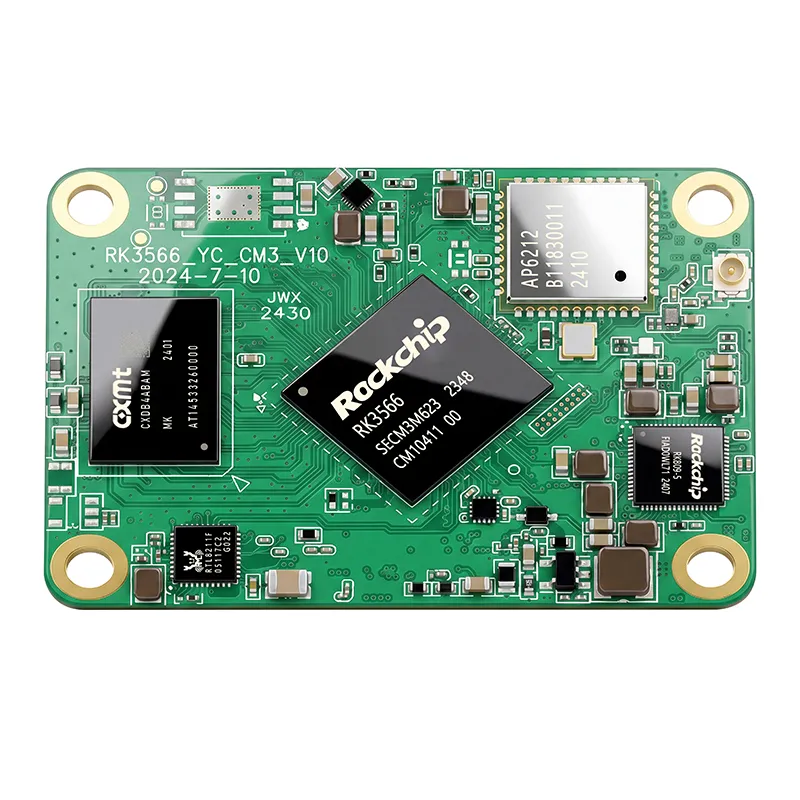
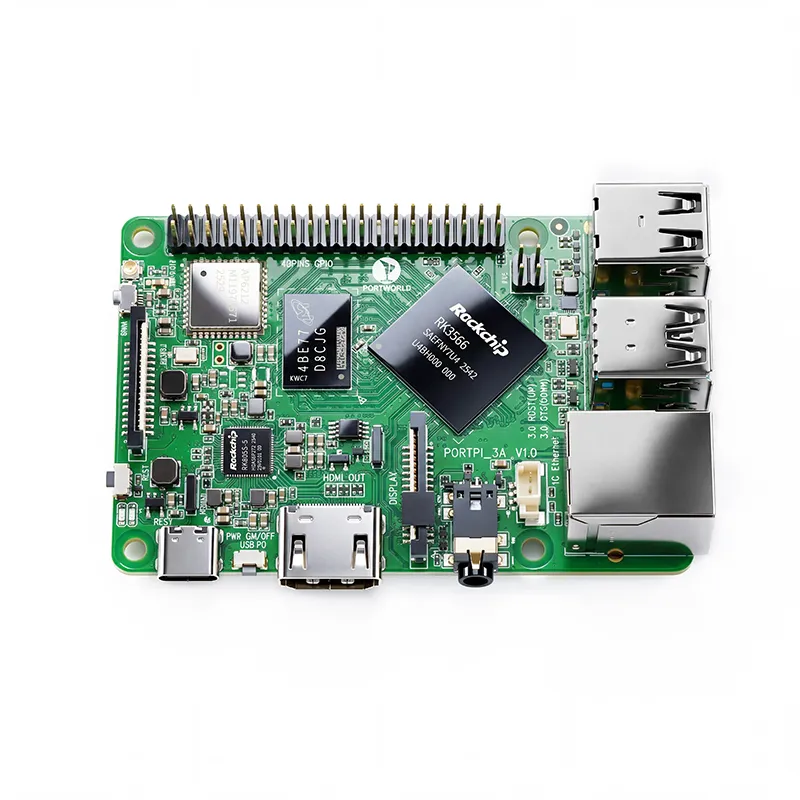
For instance, Portworld's series of industrial mini PCs offers various processor configurations, including RK3566, RK3568, RK3588, and Intel platforms, enabling customers to choose appropriate performance levels tailored to diverse applications.
6. Verify OEM/ODM Customization Capabilities
When purchasing wholesale industrial mini PCs, the ability to customize is frequently a crucial consideration.
A dependable OEM/ODM manufacturer should offer customization across various domains:
Hardware Customization
This includes:
Selection of processors
Configuration of memory and storage
Expansion of interfaces
Modifications to the PCB
Design of the housing
Software Customization
This encompasses:
Adaptation for Android/Linux
Optimization of firmware
Configuration of BIOS
Pre-installation of applications
Product Appearance
This involves:
Custom enclosures
Printing of logos
Design of packaging
Solutions for mounting
For businesses creating their own products, collaborating with an OEM/ODM partner can greatly reduce development timelines.
7. Assess Supply Stability and After-Sales Support
A successful industrial project necessitates more than just the initial shipment.
Prior to choosing a supplier, consider the following:
Production capacity
Quality assurance procedures
Product lifecycle management
Technical assistance
Availability of spare parts
Industrial equipment is typically utilized for extended periods, thus a dependable supplier should offer long-term support.
Key inquiries to make include:
How long will this model be in production?
Can the supplier sustain the same hardware configuration?
Is technical support accessible post-delivery?
Are they capable of facilitating future upgrades?
A reliable manufacturing partner mitigates risks throughout the product lifecycle.
The Importance of Collaborating with a Seasoned Industrial Mini PC Manufacturer
Industrial mini PCs frequently serve as the computational backbone of extensive systems. A malfunction in the hardware can significantly impact production efficiency, equipment functionality, and the overall customer experience.
Opting for a manufacturer with extensive experience offers several benefits, including:
Enhanced hardware reliability
Accelerated customization processes
Expert engineering assistance
Consistent supply chain management
Minimized development risks
For organizations developing industrial solutions, it is essential to regard the supplier as a technology partner rather than merely a hardware provider.
Portworld Industrial Mini PC Solutions
Portworld delivers tailored industrial computing solutions to clients worldwide, catering to applications such as:
Industrial automation
Edge computing
Smart factories
Digital signage
IoT gateways
Embedded control systems
Portworld's industrial mini PCs are engineered with:
Fanless metal enclosures
Diverse industrial interfaces
Versatile processor selections
Long-term operational capabilities
OEM/ODM customization options
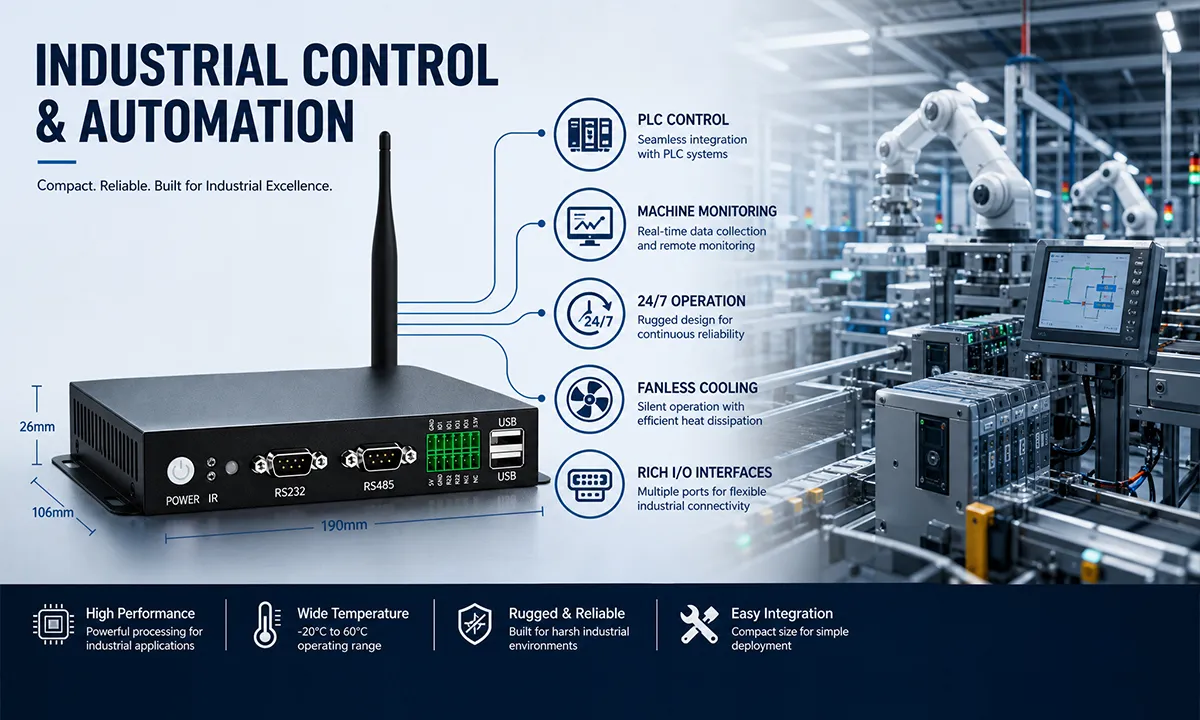
Products like the YC-T620, YC-T621, and YC-I720 Industrial Mini PCs offer compact and dependable computing platforms suitable for various industrial applications.
Customization services encompass:
Hardware configuration
Interface expansion
Operating system customization
BIOS configuration
Branding and enclosure design
Peripheral integration