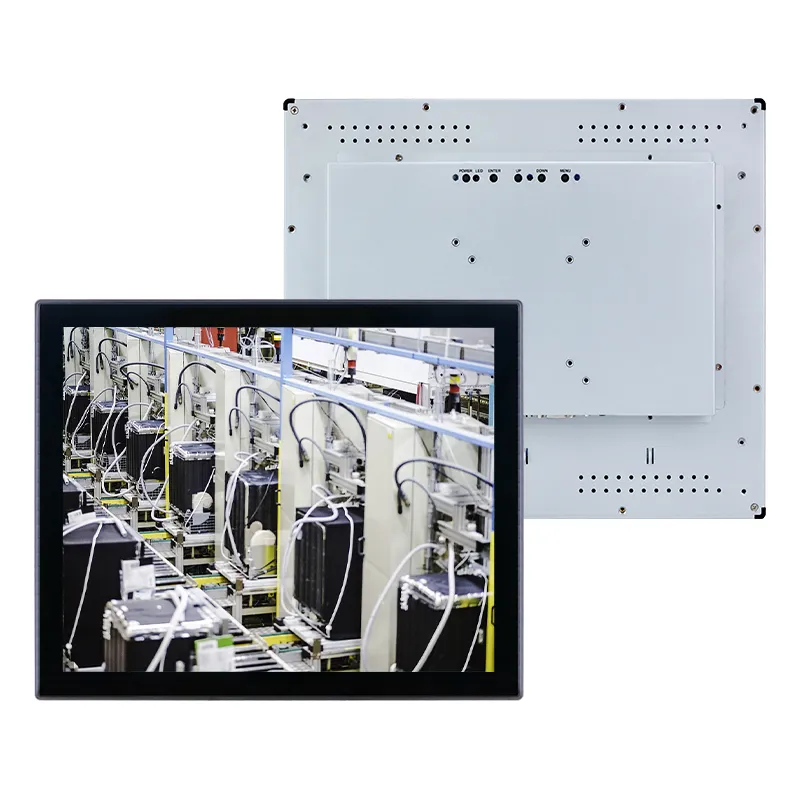
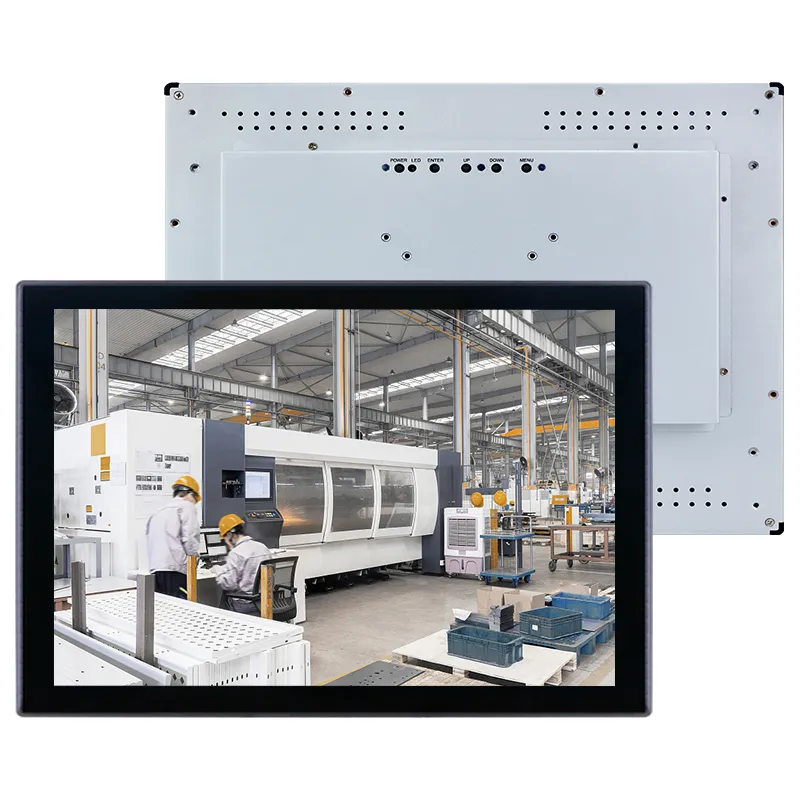
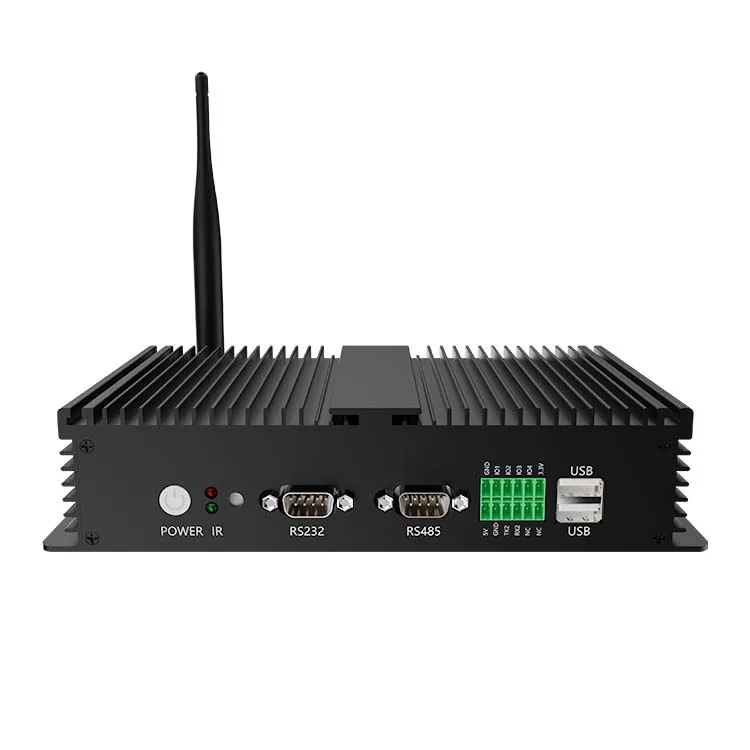
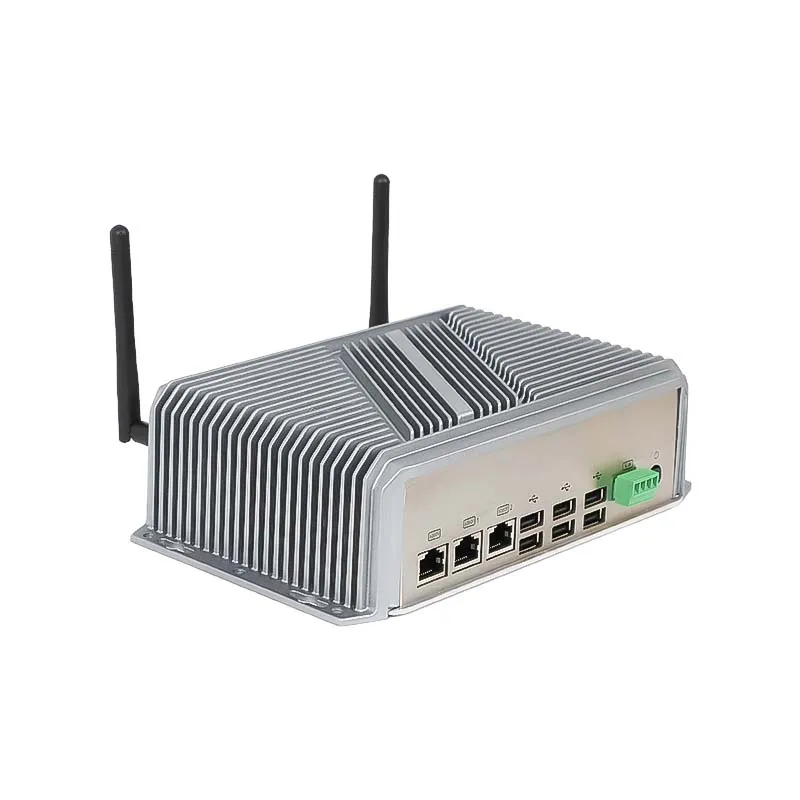
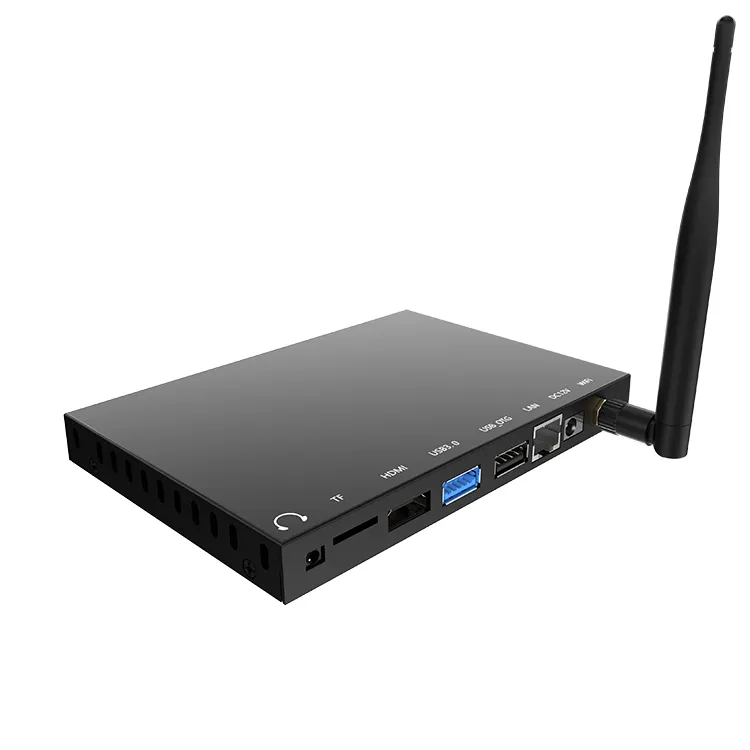
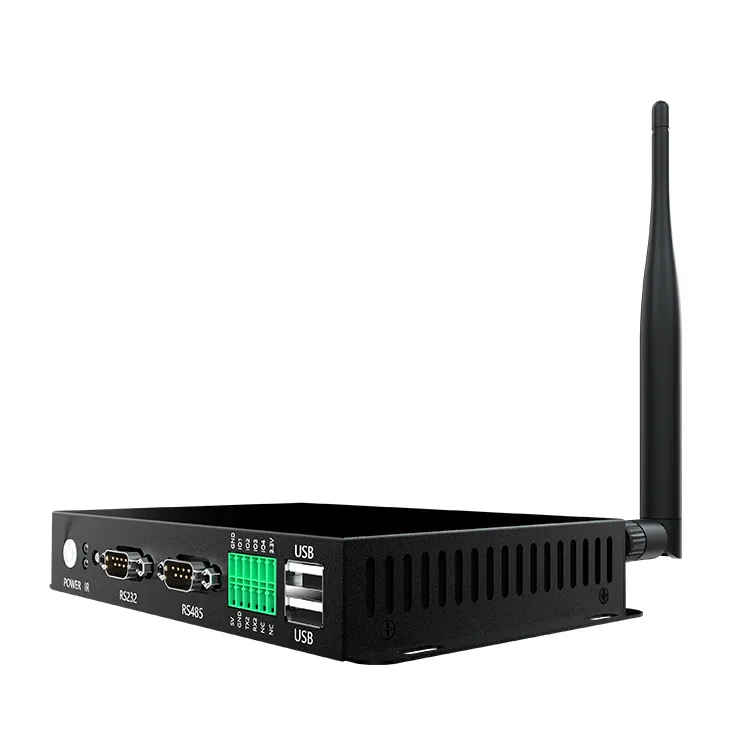
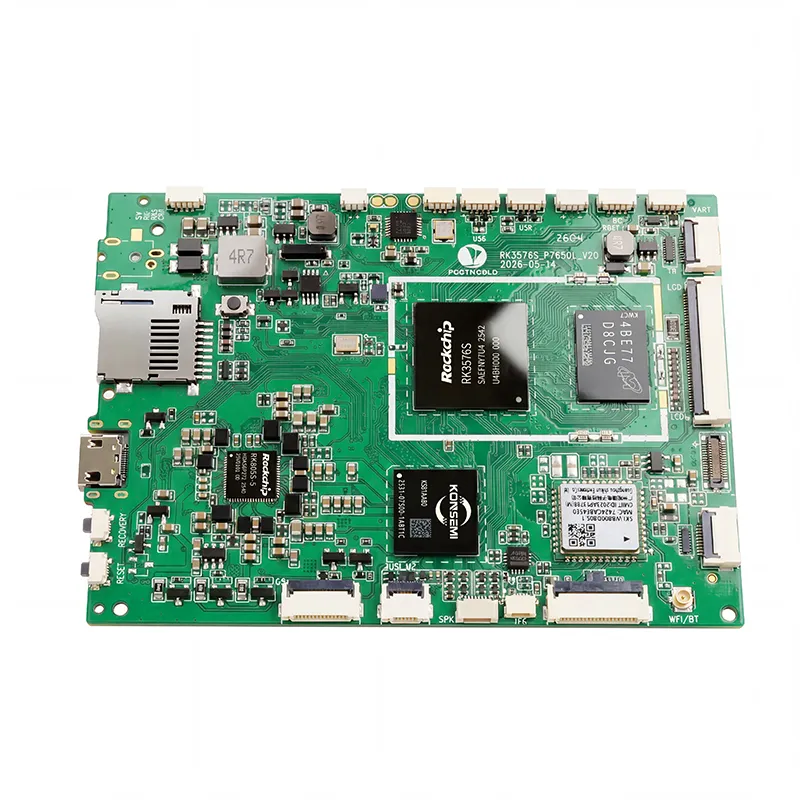
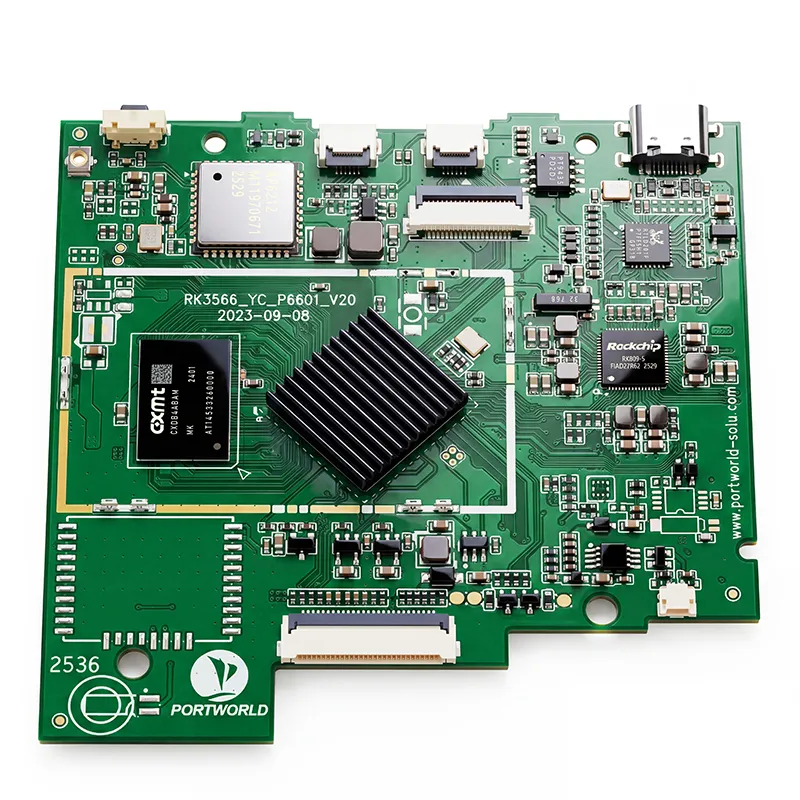
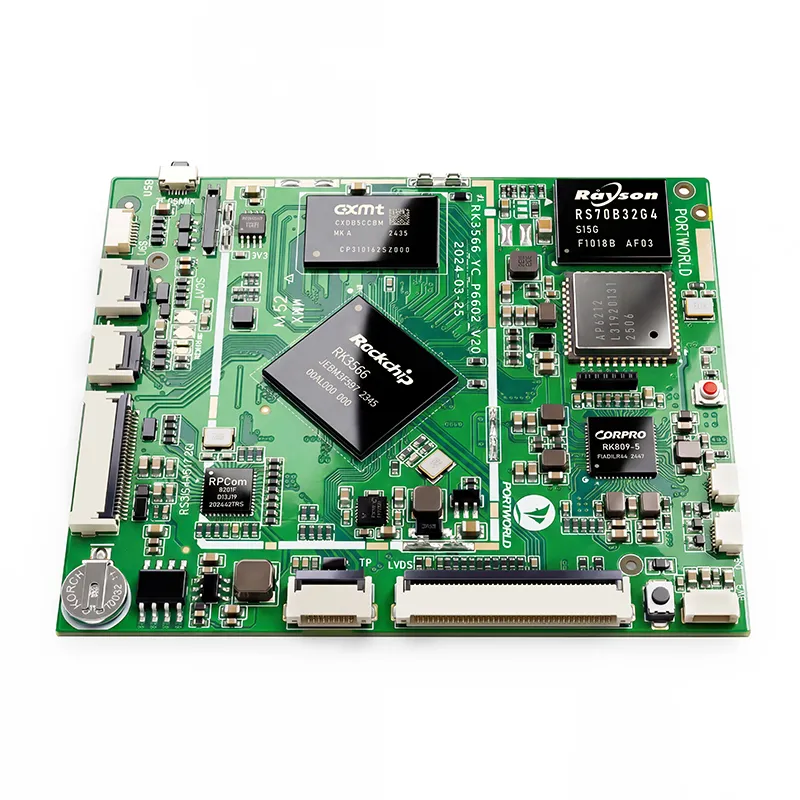
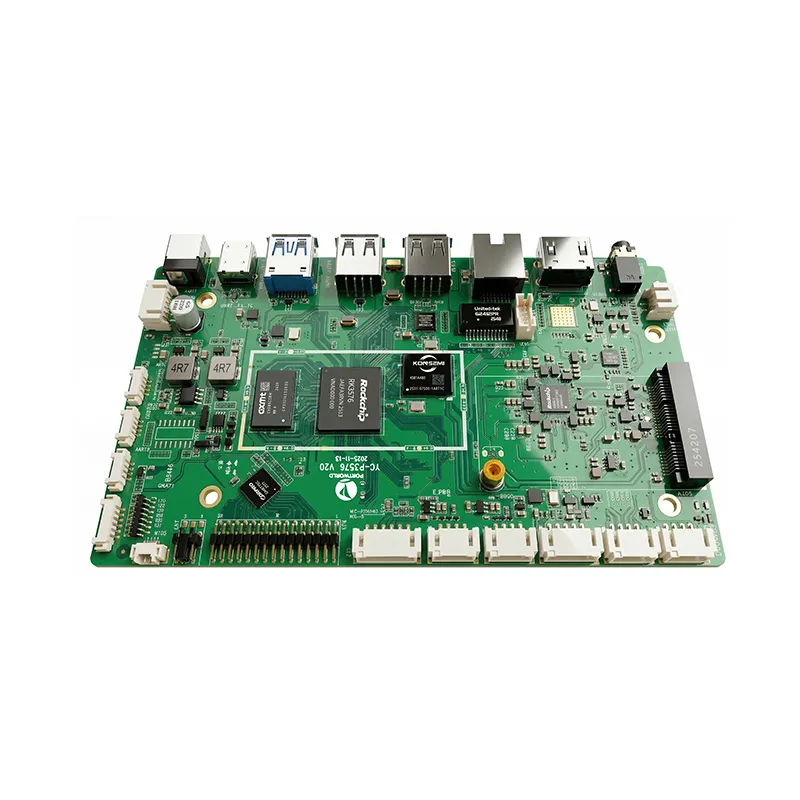
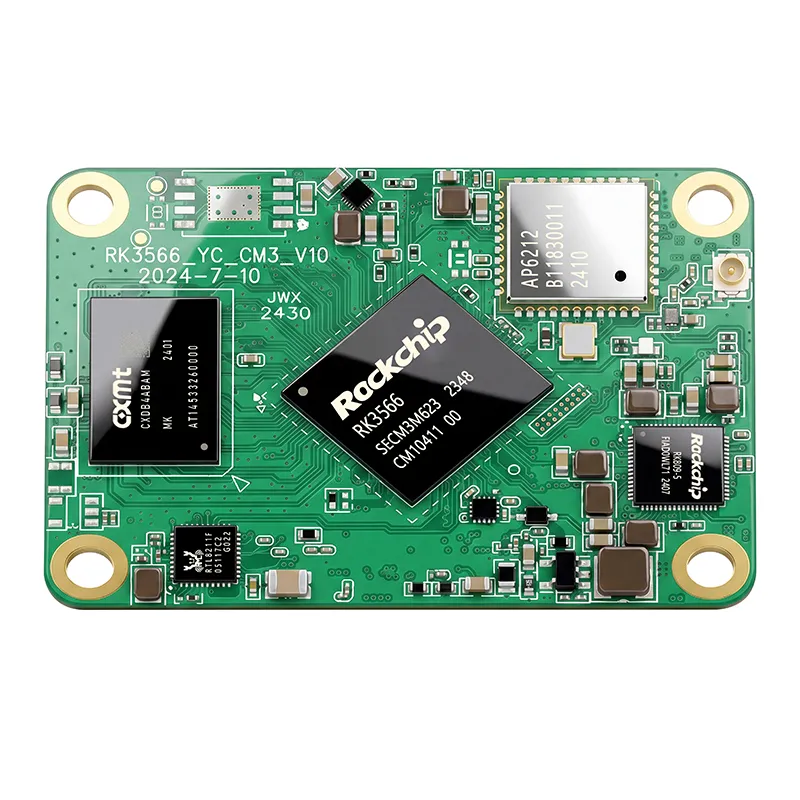
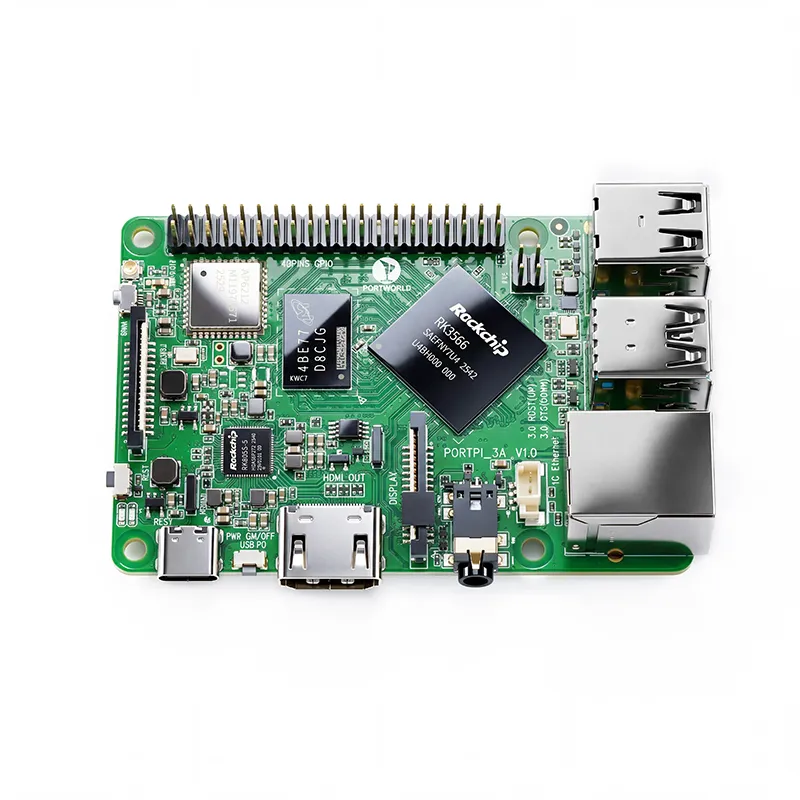
Q1: What is the core processor architecture of the P6802 mainboard, and what are its AI processing capabilities?
A1: The P6802 is driven by the high-performance Rockchip RK3568 quad-core Cortex-A55 processor, running at clock speeds up to 2.0GHz, paired with a robust Mali-G52 GPU. For localized intelligence, it integrates an onboard NPU delivering 1 TOPS of computing power. This architecture ensures an energy-efficient and highly reliable environment for edge AI inference, industrial data processing, and smart terminal workloads.
Q2: What are the distinctive networking and wired/wireless connectivity advantages of the P6802?
A2: The P6802 offers premium, industrial-grade data communication options. It features Dual Gigabit Ethernet (RJ45) ports, with one port natively supporting Power over Ethernet (PoE), enabling single-cable deployment for power and high-speed data. For cutting-edge wireless transmission, it integrates Wi-Fi 6E and Bluetooth 5.2, guaranteeing ultra-fast, low-latency connectivity even in dense IoT device deployments.
Q3: What flexible memory, storage, and operating system options are supported by the board?
A3: To fit different software architectures and project scales, the P6802 offers fully scalable configurations:
RAM: Standard 2GB LPDDR4, with optional upgrades to 4GB or 8GB for memory-intensive workloads.
Storage: Standard 16GB eMMC, expandable to 64GB or 128GB.
Multi-OS Compatibility: Seamlessly supports Android, Ubuntu, Debian, Buildroot, and other custom Linux-based operating systems.
Q4: High import tariffs are a major barrier for international hardware buyers. How do Portworld’s manufacturing models address this?
A4: To help international enterprises circumvent heavy import duties and drastically optimize logistics costs, Portworld provides flexible supply chain options: CKD (Completely Knocked Down) hardware kits, SKD (Semi Knocked Down) semi-assembled packages, or PCBA-only shipments. This allows global clients to import the core circuit boards or sub-assemblies and perform final assembly locally to capture domestic tax incentives.
Q5: What developer documentation and engineering support does Portworld deliver with the P6802 platform?
A5: Portworld delivers full turnkey development assets to engineering teams. We open up complete software source code, full PCB schematics, and detailed Standard Operating Procedures (SOP). Additionally, our seasoned R&D engineers collaborate directly with your team to customize layouts, streamline Bill of Materials (BOM) costs, and optimize hardware reliability.
Q6: What is the business value of the "Multi-Protocol Integration" mentioned by Portworld?
A6: Portworld can manufacture the P6802 mainboard with native, concurrent support for multiple smart home and automation standards, such as integrating KNX and Zigbee directly onto a single board. This consolidated approach eliminates the need for external bridge hardware, minimizes cross-protocol latency, and significantly reduces multi-SKU inventory risks for smart terminal providers.
Q7: Which peripheral interfaces are broken out on the P6802 layout for HMI and touch displays?
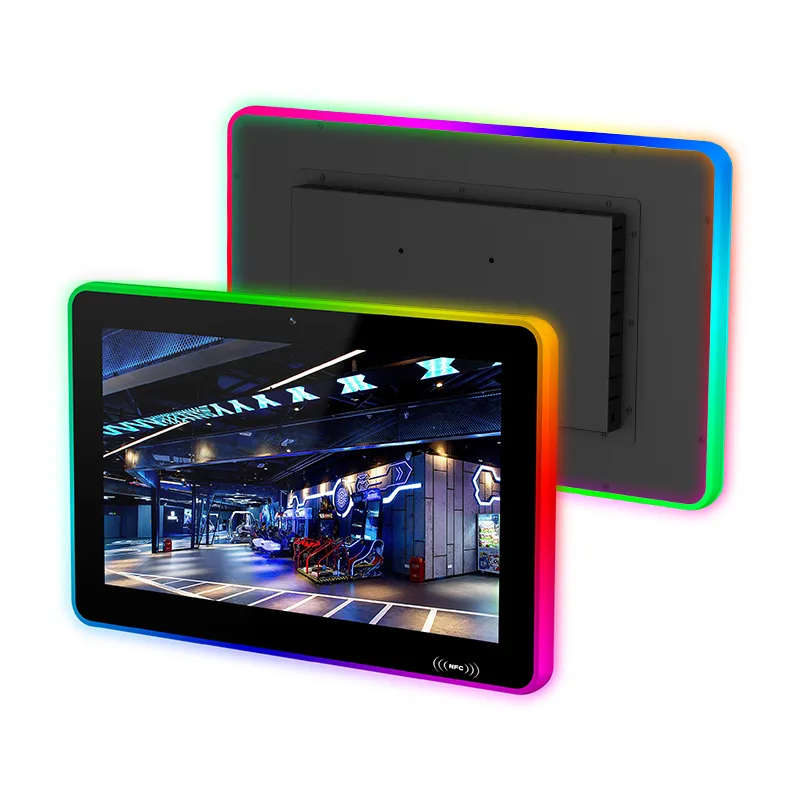
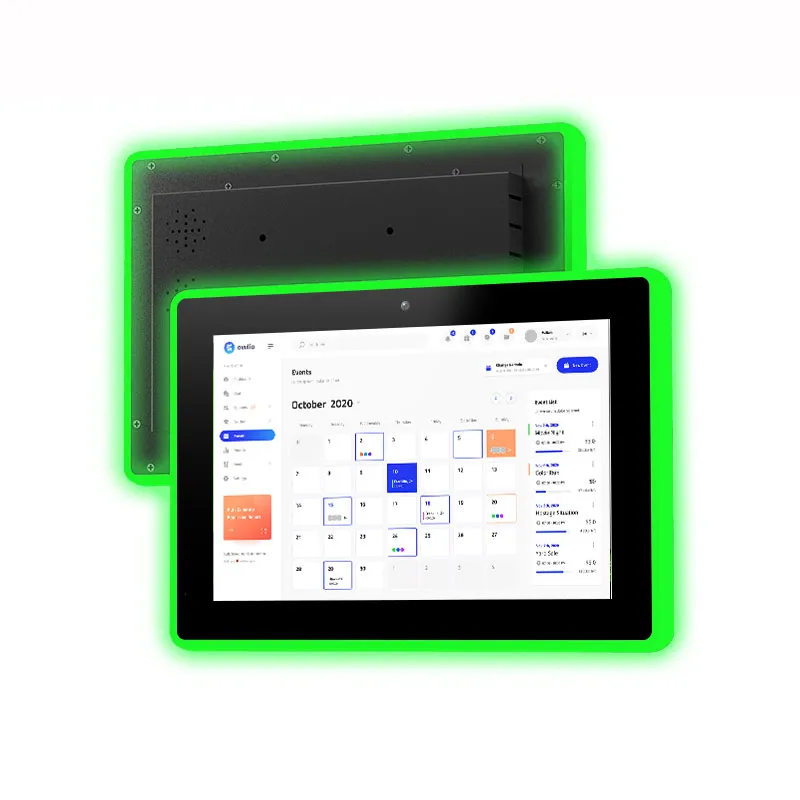
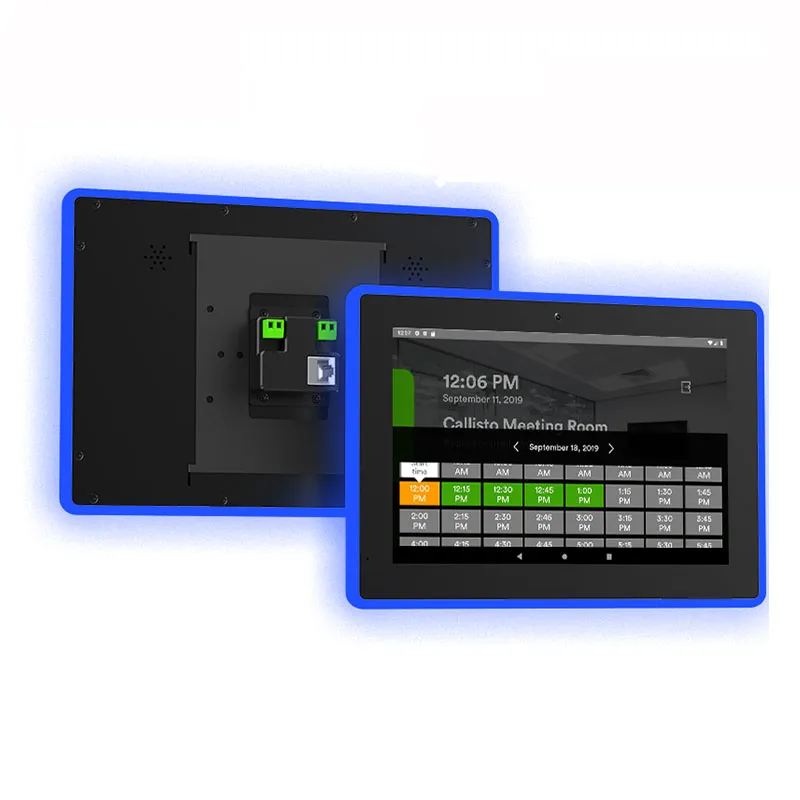
A7: The P6802 is optimized for high-definition smart touch control and Human-Machine Interface (HMI) applications. It breaks out a MIPI_DSI interface for LCD video output alongside native I2C touch panel support for capacitive screens. For external system linking, it provides standard industrial serial ports (UART, RS232, RS485), audio channels (MIC, SPK), onboard KNX, and multiple programmable GPIO pins.
Q8: What are the primary application scenarios for the P6802 RK3568 mainboard?
A8: Thanks to its high-speed processing, rugged connectivity, and modular PCBA architecture, the P6802 is widely deployed in:
Smart Building & Home Automation: Act as the central control engine for wall-mounted touch panels, luxury smart hotel terminals, and property intercom networks.
Industrial IoT & Machine Vision: Driving automated factory control units, ruggedized IoT data collection gateways, and edge-based visual inspection mechanisms.
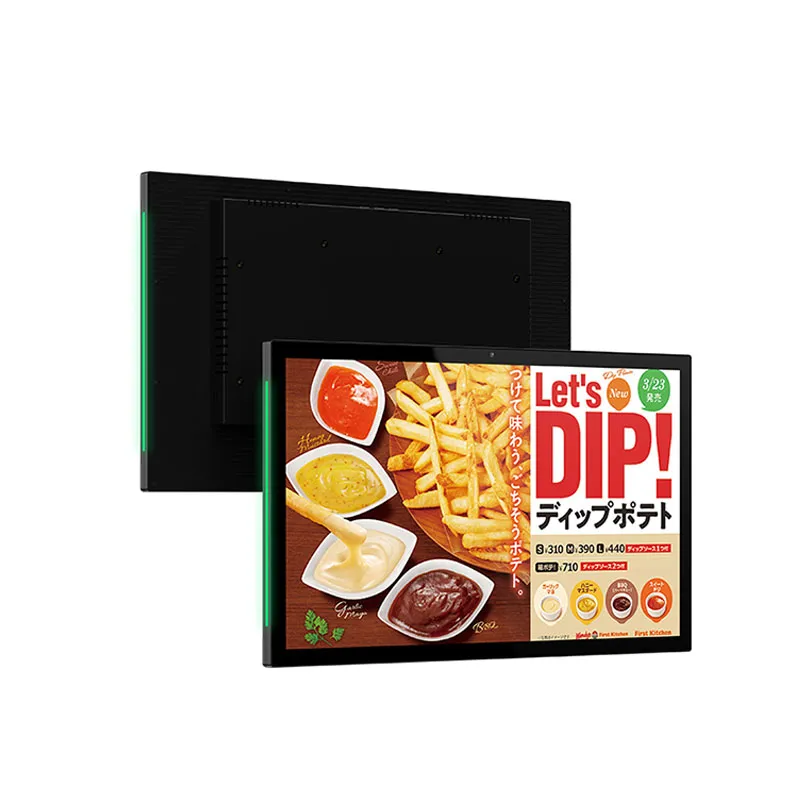
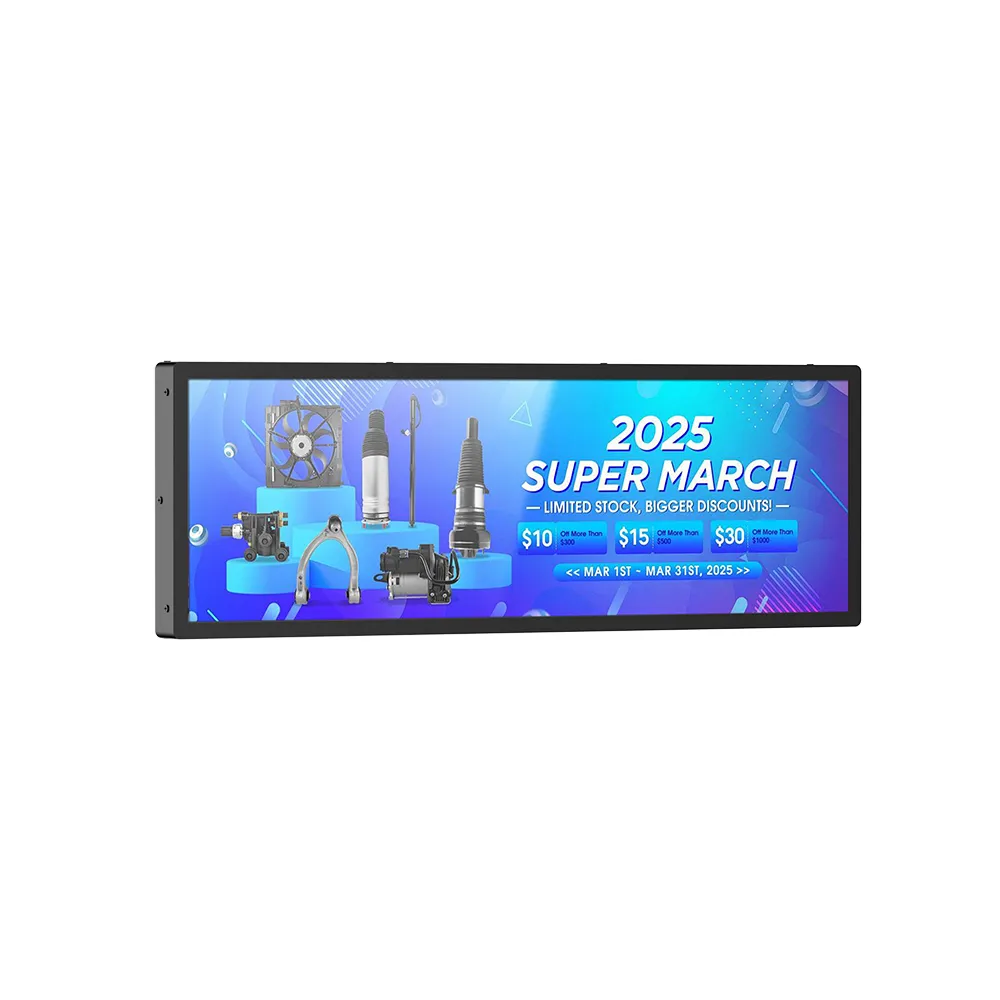
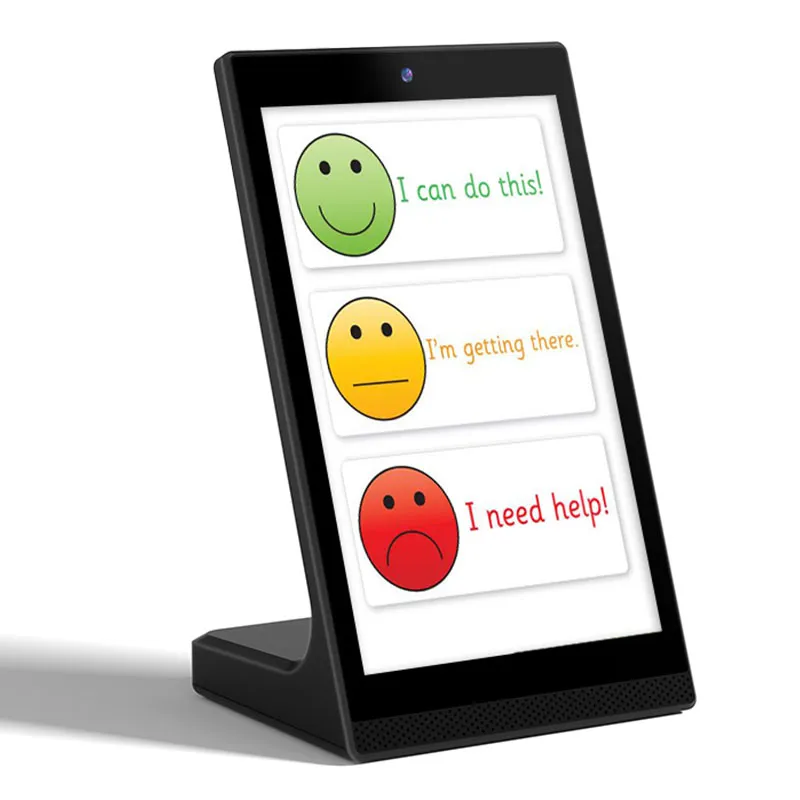
Commercial & Healthcare Displays: Powering interactive self-service retail kiosks, high-impact digital signage systems, and smart healthcare monitoring stations.